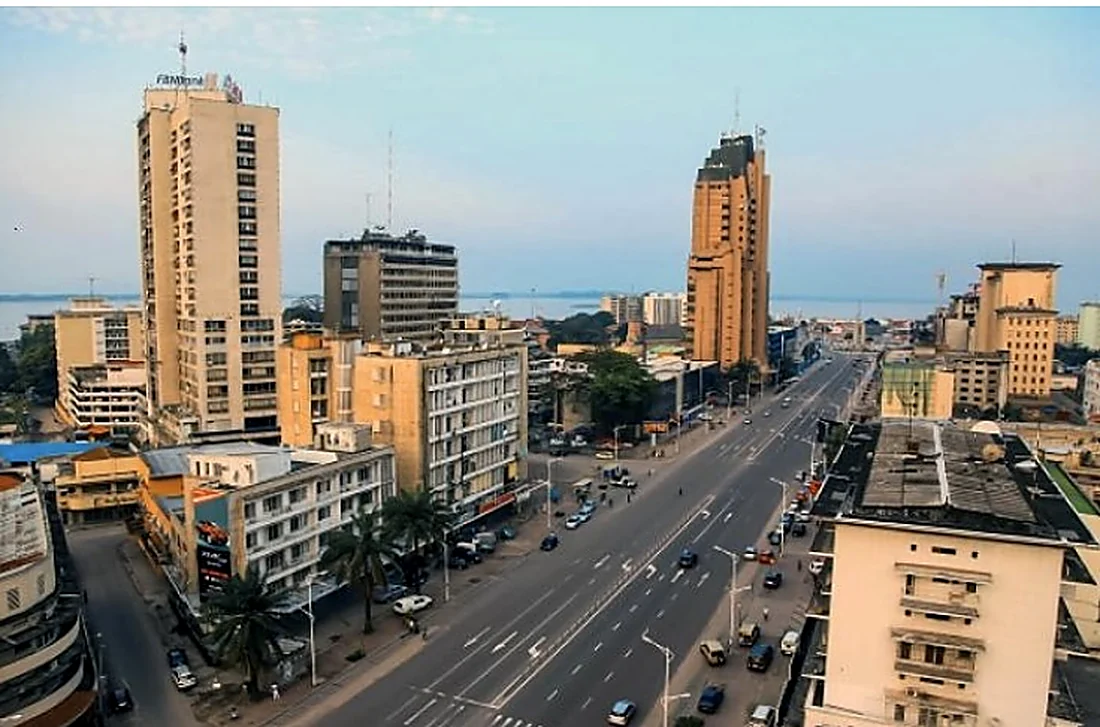
Investing in the Democratic Republic of the Congo
A practical guide for investors: the country's strengths, the legal framework, the steps to set up and answers to the most frequent questions.
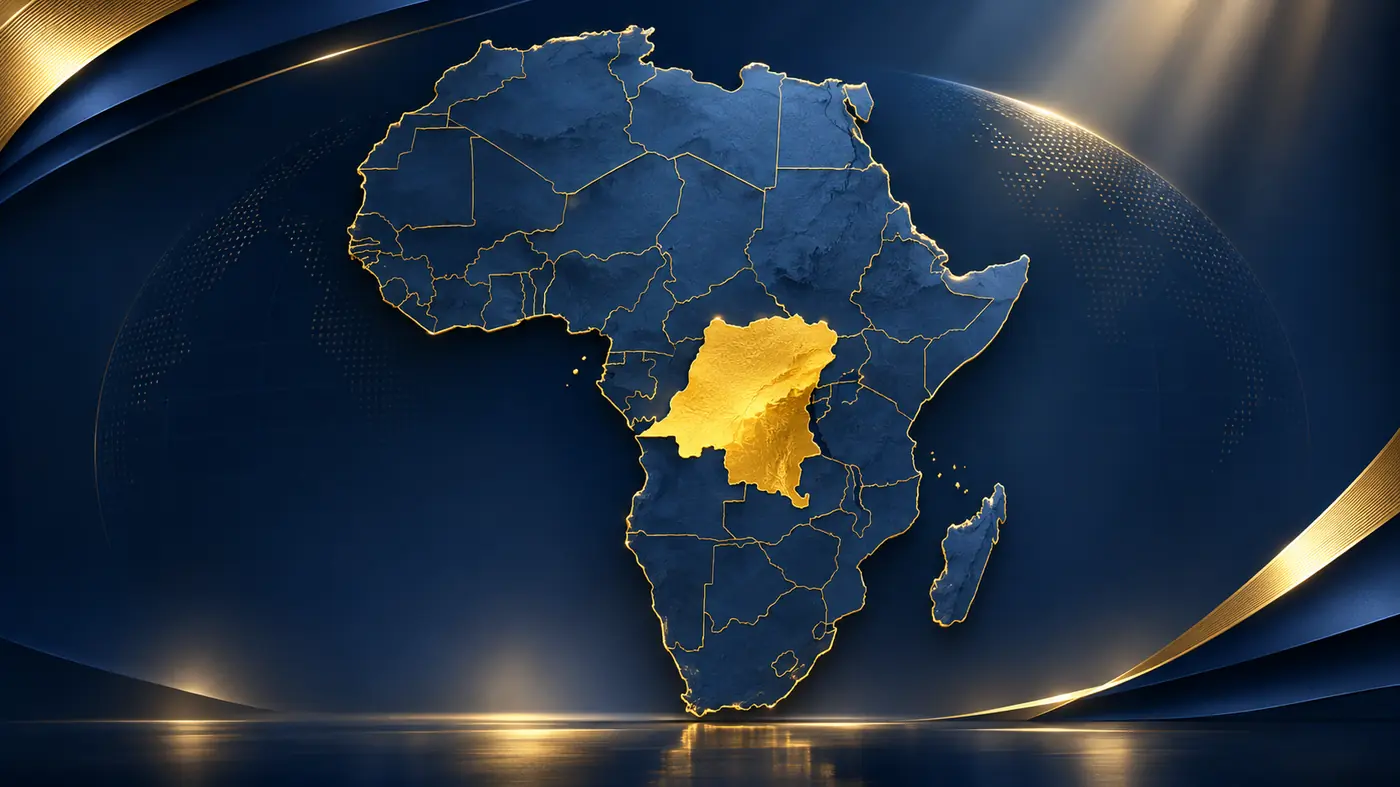
A country the size of a continent.
Africa's second-largest country, the DRC is a member of OHADA, SADC, the East African Community and the African Continental Free Trade Area.
Key legislation to know
- OHADA law — companies, commerce, security interests, debt recovery, arbitration
- Investment Code — approval and incentives through ANAPI
- Mining Code and Mining Regulations — mining sector
- Subcontracting Law — activities reserved for companies with majority Congolese capital
- Tax laws — corporate income tax, personal income tax, VAT, transfer pricing, standardised invoice
- Labour Code — local employment and expatriate staff
- Immigration rules — visas, residence permits and work permits
- Foreign exchange regulations — cross-border transactions
Where the opportunities are
- Mining: copper, cobalt, gold, coltan, lithium
- Energy: oil, gas, hydropower, solar
- Agriculture and agribusiness
- Infrastructure, construction and logistics
- Telecoms, digital and fintech
- Real estate, hospitality and restaurants
From idea to operations
Preliminary study
Analysis of the sector, applicable restrictions, taxation and the optimal structure.
Incorporation
Drafting the articles of association and registration with the One-Stop Shop for Business Creation: RCCM, national identification, tax number.
Social security registrations
Registration with the CNSS, INPP and ONEM; employment contracts and work rules.
Approvals and licences
Investment Code approval, sector authorisations, mining titles or operating licences.
Expatriate staff
Work permits for foreigners, visas and residence permits. Our immigration practice →
Ongoing compliance
Tax returns, standardised invoice, foreign exchange rules, social and sector obligations.
What investors ask us
Can a foreign investor own 100% of a company in the DRC?
In principle, yes. However, some sectors are restricted, notably private-sector subcontracting, which is reserved for companies with majority Congolese capital, and certain small retail activities. A prior sector analysis is essential.
Which type of company should I choose?
OHADA law offers in particular the SARL (limited liability company), the SA (public limited company) and the SAS (simplified joint-stock company), as well as the branch of a foreign company. The choice depends on the number of shareholders, financing needs, the desired governance and sector requirements.
What does Investment Code approval provide?
Approval granted through ANAPI allows an eligible project to benefit from customs and tax incentives for a set period, in return for commitments on investment, employment and compliance.
How long does it take to set up a company?
Incorporation is handled by the One-Stop Shop for Business Creation (GUCE), which centralises RCCM registration, national identification and the tax number. Timelines depend on how complete the file is.
What is the standardised invoice (FACNO)?
It is the secure invoicing system introduced by the Congolese tax administration to monitor VAT. Companies subject to it must adapt their invoicing tools and procedures.
How can I protect my trademark in the DRC?
By filing with the Congolese industrial property administration. As the DRC is not a member of OAPI, an OAPI filing does not cover Congolese territory.